
GBK 10 Panel Testing Explained: How Group Buy Kits Tests Every 100 Kits
Disclosure: I’m a GBK member and referrer, and I may earn a commission if you join through my link, at no extra cost to you. Everything discussed here is sold for research use only, not for human or veterinary use. This is education, not medical advice.
Let’s talk about how testing actually works at GBK (Group Buy Kits), because there’s a lot of confusion about what a testing group is, what the 10 panel covers, and why results can take so long.
The short version: GBK runs independent 10 panel testing on every 100 kits of a peptide, over and over, and posts every result. The goal isn’t one perfect COA. It’s a testing history that keeps growing.
What does GBK’s 10 panel testing cover?
GBK calls it 10X Testing. Ten separate tests are run on the samples from each testing group. Each one answers a different question, which matters because a single purity number can’t tell you anything about contamination or how much is actually in the vial.
| Test | The question it answers |
|---|---|
| 1. Purity | How much of what the lab measured is the intended compound? |
| 2. Quantity | How many milligrams were actually measured in the vial? |
| 3. Identity | Does the sample match the compound it’s supposed to be? |
| 4. Endotoxins | Are bacterial byproducts present? This is a separate check from sterility. |
| 5. Heavy metals | Were metals like arsenic, cadmium, lead, or mercury detected? |
| 6. Bioburden / Sterility | Did any microorganisms grow under the test conditions? |
| 7. Fentanyl screening | Was any fentanyl contamination detected? |
| 8. Solubility | Does the material dissolve the way it should? |
| 9. Vial seal integrity | Is the vial’s seal holding? |
| 10. Multi-vial conformity | How much do the tested vials vary from each other? |
If you want help reading the actual report once it’s posted, my guide to reading a peptide COA walks through a real one line by line.
Why GBK tests in groups of 100 kits
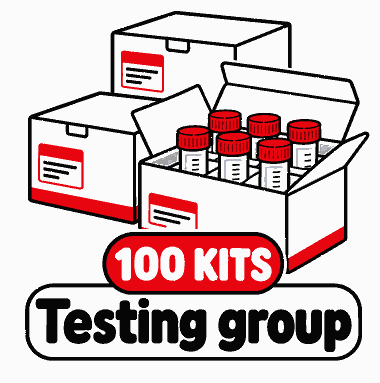
The first person who purchases a particular peptide through a specific group buy type starts a testing group. Every purchase after that gets added until the group reaches 100 kits.
Sometimes one group buy fills all 100 spots. Other times it takes several group buys.
The testing is funded by the group. GBK charges an $8.50 testing fee on each kit, and that’s what pays for the 10 panel on every testing group.
Why not just go by batch number?
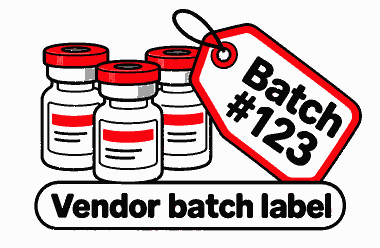
Manufacturers and vendors don’t always use the same batch numbers. A vendor may assign its own batch numbers based on the inventory it purchased, and those numbers don’t necessarily represent one specific manufacturing batch.
Manufacturing batches can contain thousands of kits. So instead of relying only on a vendor’s batch number, or letting one test stand in for thousands of kits, GBK tests every 100 kits. That means there can be multiple testing groups, and multiple COAs, from the same manufacturing batch.
What a COA can and can’t tell you
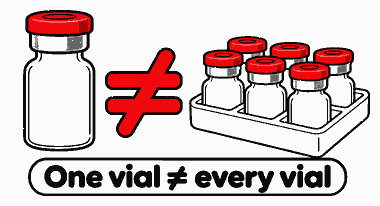
This is the part I really want people to understand: a COA does not guarantee what’s in every individual vial.
The only way to know exactly what’s in a specific vial is to test that vial, and testing uses up the sample.
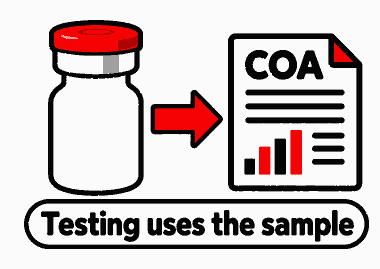
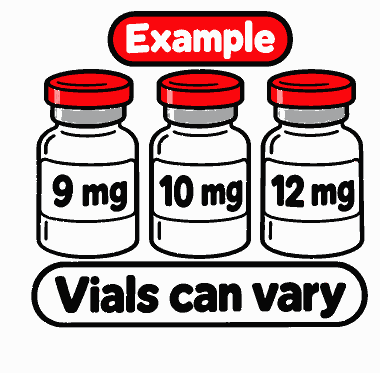
Even vials within the same kit can vary. You might have one vial that contains 12 milligrams and another that contains 9. That’s exactly why the tenth test, multi-vial conformity, is on the panel. It measures the variation between the vials being tested instead of pretending they’re all identical.
So think of a COA as a snapshot of the samples that were tested. It’s useful evidence. It isn’t a promise about the vial in your hand.
Why continuous testing is the whole point
The goal isn’t to have one COA that supposedly represents thousands of identical vials. It’s to build a history of results that shows how consistently a vendor performs over time.
One COA gives you a result. Multiple COAs build a track record.
Every new testing group means a new round of 10 panel testing and a new COA. That new COA doesn’t replace the previous ones. It adds another data point on top of them.
This is what I’d look at before trusting any source. A single great report from months ago tells you about one sample on one day. A long run of reports, test after test, tells you whether the quality holds up. As of November 2026, GBK’s testing library holds more than 190 completed tests, and it keeps growing. You can see the pattern for yourself there: popular peptides show Test #1, Test #2, Test #3 and beyond, each with its own release date and results.
How the testing process works, step by step
- Kits arrive at GBK. As kits come in, GBK’s system randomly selects vials for testing.
- Sampled vials are replaced. The vials pulled for testing are replaced using kits that GBK pays for, so members still get full kits.
- Orders keep shipping. GBK does not hold everyone’s kits until testing is complete.
- The group reaches 100 kits. Once all 100 kits in the testing group have arrived and the samples are collected, they’re prepared and sent to an independent lab.
- The lab runs the 10 panel. Samples enter the lab’s queue, then testing begins.
- Results are posted. As soon as GBK receives the completed results, they’re posted for everyone to see, and members in that testing group get an email.
Why do GBK test results take so long?
Three things add up, and the first one is usually the biggest.
1. Waiting for all 100 kits to arrive
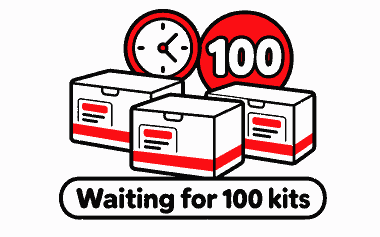
Shipping typically takes four to six weeks. But that timeline is based on the last kits needed to complete the testing group, not the first person’s order. If it takes multiple group buys to fill those 100 spots, that can add quite a bit of time.
2. The lab’s queue
Once samples reach the lab, they wait their turn. How long depends on the lab’s workload.
3. The tests themselves
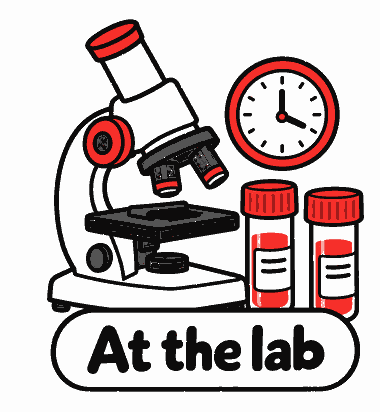
Once testing actually begins, the full sterility test alone requires a minimum of 14 days. There’s no way to rush it.
How to check your testing status
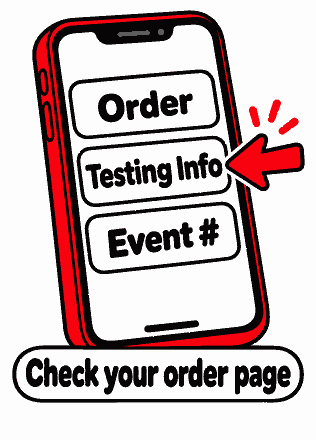
You can follow your testing status right from your order page, and you’ll get an email when your testing group’s results are posted.
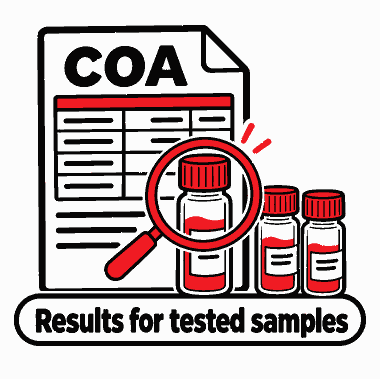
When your COA comes in, read it as results for the tested samples. Then look at it next to the earlier tests for that same peptide. That history is where the real value is.
The takeaway
A COA is a snapshot of the samples tested, not a guarantee for every individual vial. That’s true everywhere, not just at GBK. What GBK’s model adds is repetition: 10 panel testing on every 100 kits, with every result posted and kept.
That’s why I pay attention to a vendor’s entire testing history instead of one report. If you want the bigger picture on membership, ordering, and shipping, read my GBK Group Buy Kits review. Ready to join? Here’s how to sign up for GBK.
GBK testing FAQ
What is GBK’s 10 panel testing?
It’s ten independent lab tests run on samples from each testing group: purity, quantity, identity, endotoxins, heavy metals, bioburden/sterility, fentanyl screening, solubility, vial seal integrity, and multi-vial conformity. GBK also calls it 10X Testing.
What is a testing group?
A testing group is 100 kits of a particular peptide from a specific group buy type. The first purchase starts the group, and it’s complete when 100 kits have been ordered and received.
Will I get my kit before the test results?
Most likely, yes. GBK doesn’t hold kits until testing is complete, so orders keep shipping while the testing group fills and the lab does its work.
Why does GBK testing take so long?
All 100 kits in the testing group have to arrive first, which depends on the last order in the group, not yours. Then the samples wait in the lab’s queue, and the full sterility test alone takes a minimum of 14 days.
Does a COA guarantee what’s in my vial?
No. A COA reports on the samples that were tested. The only way to know exactly what’s in one vial is to test that vial, which uses it up. Vials can vary, even within the same kit.
Do my vials go missing if they’re picked for testing?
No. Vials selected for testing are replaced using kits that GBK pays for.
Why are there several COAs for the same peptide?
Because every 100 kits gets its own round of testing. New COAs don’t replace older ones. Together they show how consistent a vendor has been over time.
How much does GBK testing cost?
GBK charges an $8.50 testing fee on each kit. That fee funds the 10 panel testing for each testing group.
Where do I find my results?
Check the testing info on your order page. Members in a testing group also get an email when results are posted.
This post reflects my understanding of GBK’s testing process as a member. GBK’s current policies and posted results are the final word. A passing COA does not make a research-use-only product an approved medication or establish that it is safe for human or veterinary use.
Get the deals first 🌶️
Sales, giveaways, new guides and group buy heads up, straight to your inbox. One email when it matters, not a daily spam parade.
No spam, unsubscribe anytime.
Wanna know when stuff goes on sale?
Vendor sales, giveaways and group buy heads up go to email first. Also, my accounts get banned a lot. Email doesn’t.